

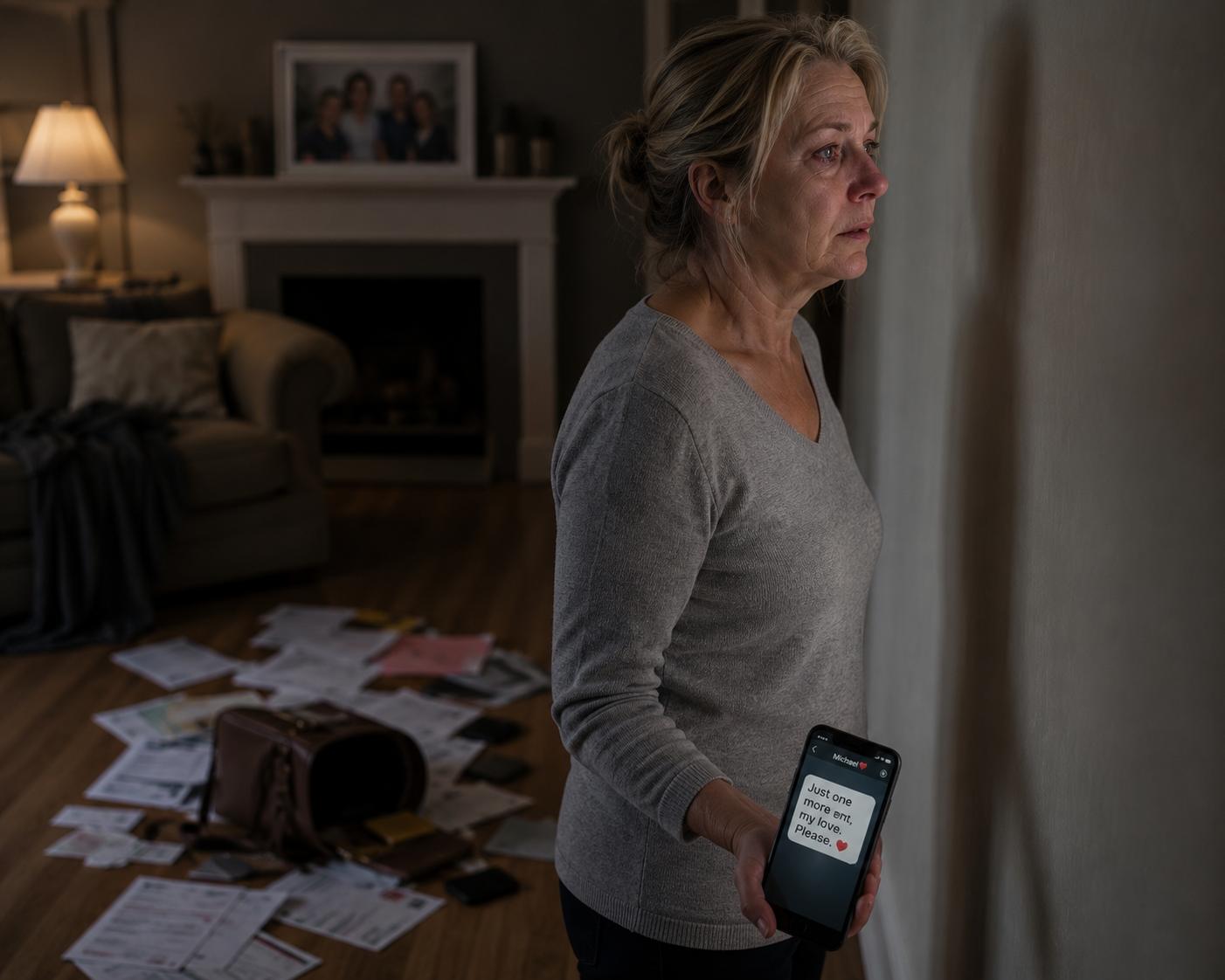
When Love Becomes a Lie: The Alarming Rise of Romance Scams in Australia
Every day across Australia, people searching for companionship are being targeted by sophisticated criminals who know exactly how to exploit trust, loneliness, and emotional vulnerability.
What starts as a friendly online message can swiftly become daily talks, emotional dependence, and promises of a shared future. For many victims, the relationship feels real, comforting, and deeply personal.
Behind the polished profile and affectionate messages lurks an organised overseas scammer, wielding psychological manipulation—and growing AI—to steal life savings and ruin lives.
Romance scams are now one of Australia’s fastest growing and most financially devastating frauds. Yet despite growing awareness campaigns, thousands of people continue to fall victim each year because these scams no longer resemble the crude online frauds of the past.
Despite growing awareness campaigns, thousands still fall victim each year because these scams have evolved beyond the crude online frauds of the past.
Perhaps the most frightening reality of all is this:
Romance scams never start with money.
They start with hope.
The Perfect Crime: Why Romance Scams Work So Well
Most people think they’d spot a scam instantly. They imagine obvious warning signs, poorly written messages, unrealistic stories, or suspicious behaviour.
They picture glaring warning signs, sloppy messages, far-fetched stories, or shady behaviour.
These offenders know emotional trust outweighs immediate financial gain. Rather than rushing victims, they spend weeks or even months forging what seems like a genuine emotional connection.
The process is intentional.
Scammers study their victims closely. They learn about hobbies, family, personal history, grief, loneliness, and emotional vulnerability. They mimic values and interests to fake compatibility and emotional intimacy.
If the victim loves gardening, the scammer suddenly does too.
If the victim recently lost a spouse, the scammer claims to understand grief, having suffered a personal loss too.
If the victim is religious, the scammer poses as caring, moral, and family-oriented.
Every interaction is crafted to build emotional dependence.
For many victims—especially older Australians, widowed individuals, retirees, or those living alone—the attention and emotional support can feel truly life-changing.
That emotional bond forms the scam’s foundation.
Why Older Australians Are Being Specifically Targeted
Romance scams affect all ages, but older Australians are increasingly prime targets.
Scammers know many older people face loneliness after retirement, divorce, illness, or losing a long-term partner. They also know older Australians are likelier to have amassed savings, property, or superannuation.
This isn’t about intelligence.
Many victims are highly educated, financially responsible, and professionally successful—yet never imagined they could be manipulated.
But romance scams don’t hinge on intelligence failure.
They revolve entirely around emotional manipulation.
There’s nothing foolish about seeking companionship later in life. Humans are naturally wired for connection. Humans are hardwired for connection.
Scammers ruthlessly exploit that need with deadly precision.
That is precisely the scammer’s intent.
The Lies Are Carefully Constructed
Romance scams succeed because their stories are carefully crafted to sound believable.
Scammers often pose as overseas workers:
- engineers
- military personnel
- mining contractors
- oil rig workers
- doctors
- international business operators
These professions conveniently explain why they cannot meet in person and why communication may sometimes be interrupted.
More importantly, they provide believable causes for future financial emergencies.
The scammer seldom demands money right away.
They prioritise building trust first.
Once the emotional connection forms, the first “problem” appears.
- Payment delayed.
- A medical emergency.
- Medical emergency.
- Travel complications.
- Customs snag.
- Travel hassles.
- Overseas banking challenges.
Once that boundary is crossed, the situation often spirals quickly.
How Victims Lose Their Savings
Romance scams unfold in a disturbingly predictable pattern.
The victim sends a small amount to help during an “emergency”. The scammer replies with gratitude, affection, and promises of a shared future.
The bond deepens.
Then another emergency strikes.
One more.
And another!.
Over time, victims can transfer tens or even hundreds of thousands of dollars via bank transfers, gift cards, cryptocurrency platforms, or international payment systems.
Redraws available on mortgages.
Others tap superannuation, sell assets, or take personal loans.
By the time family or banks intervene, financial losses can be catastrophic.
But the emotional damage is often far worse.
Many victims are not grieving the money.
They grieve the relationship they believed real.
Artificial Intelligence Has Changed Everything
The rise of artificial intelligence has sharply escalated the sophistication of romance scams.
Traditional warning signs are vanishing.
Scammers now use AI-generated profile photos that look entirely authentic and cannot be easily spotted by reverse-image searches.
Some use voice-cloning technology to craft realistic phone calls. Some use deep fake technology to simulate live video calls.
AI tools can craft emotionally intelligent messages tailored precisely to the victim’s personality and emotional state.
The result is a chillingly convincing deception.
Even the tech savvy are being manipulated by these advanced tactics.
Romance scams are now professional operations.
They are highly organised criminal enterprises exploiting cutting-edge technology and psychological manipulation to prey on the vulnerable.
Case Study: “I Thought I Had Found Love”
At 72, Margaret received a simple message on Facebook.
“Hello beautiful lady. I hope you don’t mind me saying hello. You have a warm smile.”
She wasn’t seeking romance. After losing her husband several years earlier, she spent most evenings alone. Widowed years ago, she spent most evenings alone.
The conversation felt harmless—even comforting.
He claimed to be a widowed engineer abroad. He was attentive, respectful, and kind—always. Each morning, he messaged Margaret to ask how she had slept. Every evening he wanted to hear about her day.
Every evening, he craved hearing about her day.
Margaret felt truly seen again.
When her daughter questioned the relationship, Margaret stood by him.
“He’s different,”, she said. “He actually listens.”
Then came the first crisis.
Michael said he was facing temporary overseas banking issues and urgently needed help. Embarrassed to ask, he vowed to repay the money right away.
Margaret transferred $2,000.
Michael thanked her deeply and vowed they wouild meet in person soon.
In the following months, requests escalated.
There were medical expenses. Customs fees apply. Travel troubles. Investment opportunities await. Each payment stood as the last hurdle before they could start their life together.
By the time Margaret realised the truth, she had lost over $140,000.
Her savings vanished. Part of her superannuation was withdrawn. She had taken a loan she could not comfortably repay.
But the financial loss was not the worst pain.
“It wasn’t the money,”, she later admitted. “It was believing someone cared about me.”
Stories like Margaret’s are alarmingly common across Australia.
The Warning Signs Australians Should Never Ignore
Despite their growing sophistication, most scams still show common warning signs.
A major red flag is intense emotions early in the relationship. Scammers declare strong feelings quickly to exploit emotional vulnerability.
Another warning sign is secrecy.
Victims are often urged to avoid discussing the relationship with family or friends because “people will not understand” or “others are jealous”.
Scammers also dodge genuine face-to-face meetings. Excuses like overseas work, emergencies, poor internet, or travel complications become constant reasons they cannot meet.
Any request involving money should immediately raise concern.
This includes:
- emergency payments
- medical expenses
- cryptocurrency investments
- customs fees
- travel costs
- financial “release fees”
No real online relationship demands repeated financial requests.
Cryptocurrency: The New Weapon in Romance Scams
Many modern romance scams now centre on cryptocurrency investment schemes.
After building emotional trust, scammers pitch “exclusive” investment opportunities that seem legitimate. Victims may first spot fake profits on slick, scammer-controlled online platforms.
The victim pours more money into what they believe are smart financial decisions.
The platform vanishes — taking the funds with it.
The relationship becomes the very mechanism for financial exploitation.
What Families Need to Understand
Families often grow frustrated when loved ones deny they are being scammed.
But anger and ridicule seldom help.
By the time the deception is uncovered, the victim is often already emotionally dependent on the scammer. Direct confrontation can sometimes drive victims closer to the offender instead of away.
Support, patience, and calm, evidence-based discussions are almost always far more effective.
Victims deserve compassion, not judgement.
How Australians Can Protect Themselves
Awareness is one of the strongest defences against romance scams.
People should be wary of relationships that move too fast online. Emotional pressure, secrecy, repeated excuses, and money requests are major warning signs.
Independent identity verification is crucial. Photos, messages, and video calls can now all be manipulated with artificial intelligence.
Australians should never transfer money to anyone they have not truly met and independently verified in person.
- Not for emergencies.
- Not for travel.
- Not for investments.
- Not for “just this once.”
If something feels wrong, speak to someone you trust.
Scammers thrive on secrecy and isolation.
The Final Message Australia Needs to Hear
Romance scams are no longer isolated incidents targeting just a few vulnerable people.
They are sophisticated international fraud operations raking in enormous profits through emotional exploitation.
They succeed by targeting something fundamentally human:
The desire for companionship, trust, love, and connection drives us.
Victims should never feel shame.
These offenders are skilled professionals who expertly manipulate emotions using ever-advancing technology.
The more openly Australians discuss romance scams, the harder these criminals can operate in silence.
Awareness saves lives—period.
Conversation protects families.
Education remains one of our most powerful weapons against this growing threat.