
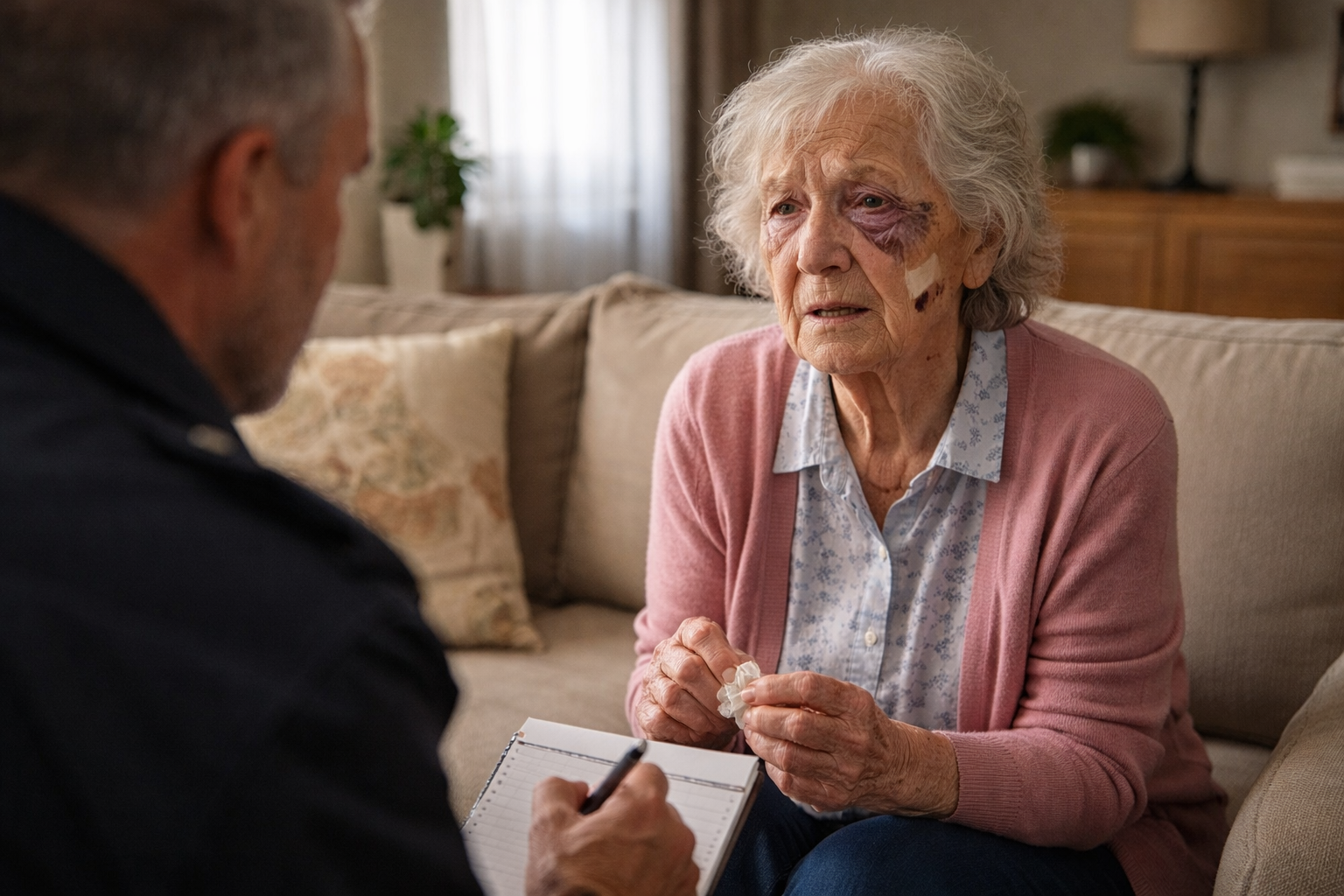
Interviewing Elderly Persons in Investigations
Practical, Ethical and Forensically Sound Practice
Introduction
Interviewing older adults – whether as victims of crime or witnesses to events – is a complex investigative task. Age alone does not determine vulnerability, but many older adults experience sensory, cognitive, health, social, emotional, and contextual influences that can affect how they understand, recall, and communicate information. Investigators must balance the need for accurate information gathering with the need to protect the dignity and wellbeing of older people.
Population ageing means that investigators will encounter older adults across all types of investigations – criminal, workplace, insurance, civil and regulatory matters. Interviewing techniques and safeguards developed in child forensic interviewing share some principles with elder interviews (such as non-suggestive questions and rapport-building), but must also reflect the unique needs, rights, and experiences of older adults. (Elder Abuse Action Australia)
Understanding Older Adults as Interviewees
Before discussing practical interview methods, it is important to recognise the diversity and complexity within older populations:
- Physical and sensory changes (hearing loss, vision impairment, mobility limitations)
- Cognitive variations; some older adults have normal memory, others may have dementia or mild impairment
- Health timing effects (medication schedules, fatigue cycles)
- Life experience and trauma history
- Social vulnerabilities (isolation, caregiver dynamics, dependency) (Department of Justice)
These factors influence both capacity and communication needs during interviews.
Preparing for the Interview: Environment and Access
Safety, Accessibility, and Comfort
Investigators should consider the older person’s physical needs:
- Location – A quiet, neutral, accessible room free from excessive noise and visual distraction is ideal. If mobility is limited, consider conducting the interview in the person’s home or a familiar community location. (NC Adult Protection Network)
- Seating and positioning – Arrange chairs so the person can hear clearly and see the interviewer without strain, ideally at eye level, with space to accommodate assistive devices. (Elder Abuse Action Australia)
- Sensory accommodations – Ensure lighting is sufficient, and that hearing aids or visual aids are correctly positioned. Ask if the person has any preferred communication needs before beginning. (NC Adult Protection Network)
- Minimising barriers – Avoid desks or tables that feel like a barrier; the goal is easy two-way communication. (Elder Abuse Action Australia)
These factors support access and autonomy for older people who may otherwise struggle with formal interview spaces.
Interviewing an Elderly Victim
Building Rapport and Trust
Many older victims will have lived through trauma, including lifetime events such as war, loss, illness, or past abuse. A trauma-informed, strengths-based approach is foundational rather than optional. (Department of Justice)
Investigators should:
- Introduce themselves clearly and explain the purpose, scope, and expected duration of the interview.
- Give the person control where possible, such as choice of seating, breaks, and pacing.
- Demonstrate patience and validation: “I appreciate how difficult this may be to recount… thank you for your help.”
A supportive, respectful tone encourages participation and can reduce anxiety.
Conducting the Interview
Investigators are advised to:
- Start with broad, open-ended invitations (“Tell me what happened in your own words”) before using specific questions.
- Use non-suggestive follow-ups, encouraging the person to describe details they recall.
- Avoid interrupting or correcting the older person’s recollection; allow them to complete narratives.
- Pause frequently to check comfort and understanding.
- Be sensitive to emotional distress – some older victims minimise or rationalise experiences. (Department of Justice)
Cognitive Impairment Considerations
Where cognitive impairment is known or suspected:
- Consider shorter segments across multiple sessions if needed.
- Ask questions one idea at a time.
- Avoid complex or multi-part questions.
- Use clear, familiar language and confirm understanding before moving on. (NC Adult Protection Network)
If dementia or significant impairment is present and consent or capacity is in question, appropriate legal and ethical safeguards must be applied (e.g. consulting guardians or legal representatives if required by law).
Interviewing an Elderly Witness
The process shares many safeguards with victim interviews but emphasises accuracy of recollection of events rather than vindication of harm.
Building Rapport
Investigators should:
- Explain roles, confidentiality, and how information will be used.
- Acknowledge life experience – an older witness’s lived experience often enhances narrative richness.
- Avoid pressure or a “quiz-like” tone, as this can trigger anxiety or defensiveness. (Department of Justice)
Information Gathering
Older witnesses may recall events differently due to memory changes:
- Start with open accounts (“What do you recall about the day of the event?”).
- Use gentle contextual prompts (e.g. “You mentioned seeing someone at the door – can you tell me more about that?”).
- Avoid contradicting the witness; if discrepancies emerge, phrases like “Help me understand this better…” are preferable to challenge. (Department of Justice)
Safeguards and Ethical Considerations
Trauma-Informed and Strengths-Based Approach
A trauma-informed approach recognises that older adults may carry psychological impacts from past life events and current harm. It emphasises safety, trust, choice, and empowerment – all linked to better interview outcomes. (Department of Justice)
Power Dynamics and Ageism
Investigators should guard against ageist assumptions – such as equating older age with unreliability – and instead assess each individual’s capabilities on their own merits. (ECU)
Special Measures in Court and Legal Context
Under Australian evidence law, courts have specific provisions for vulnerable witnesses, which can include older adults with impaired memory or understanding. For example:
- Judges may control the form and manner of questioning to reduce confusion or undue stress.
- Alternative arrangements can be made for giving evidence if necessary.
- Questions that might mislead, confuse, or distress the witness may be disallowed. (Judicial Commission of NSW)
These protections reflect the recognition that age and capacity differences require sensitive judicial handling.
Practical Example
A widely used principle in investigative interviewing globally is the focus on non-leading, rapport-based methods that prioritise accuracy and cooperation over confrontation. These methods encourage older witnesses or victims to provide reliable accounts without pressure, reminiscent of the cognitive interview approach that emphasises open narration, phased questioning, and rapport before fact gathering. (Wikipedia)
While originally developed for other populations, the cognitive interview’s emphasis on witness-centred, memory-supporting techniques can be adapted to older adults to avoid suggestion and maximise recall.
Conclusion
Interviewing an elderly person whether a victim or witness – requires thoughtful preparation, a trauma-informed approach, and deliberate communication strategies tailored to the individual’s physical, cognitive, and emotional needs.
Effective interviews are:
- respectful, not rushed;
- non-suggestive, not coercive;
- accommodating of needs, not one-size-fits-all;
- forensically defensible, not adversarial.
By increasing awareness of these safeguards and implementing best practices, investigators can improve the quality of information gathered and help ensure that justice processes are both effective and compassionate.
Key Takeaways
- Interview setting, accessibility, and comfort matter significantly for older adults. (Elder Abuse Action Australia)
- Rapport and trust precede factual questioning. (Department of Justice)
- Trauma-informed, strengths-based interviewing yields better outcomes. (Department of Justice)
- Cognitively impaired individuals deserve tailored questioning and legal safeguards. (NC Adult Protection Network)
- Court systems recognise vulnerable older witnesses and provide protective measures. (Judicial Commission of NSW)